
Journey into The New Oil: How Data Science Reshapes Every Corner

I. Introduction
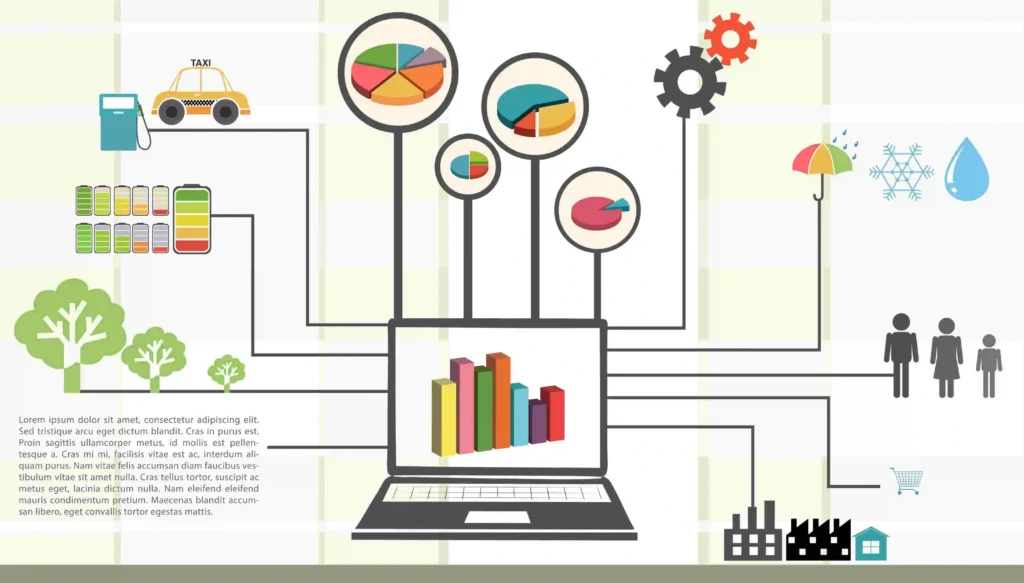
Data science is one of the most important things that drives growth, innovation, and efficiency in many areas of our lives today. Data science is an important part of going digital because it helps businesses, healthcare, education, and other areas make better decisions by analysing data in new ways. In simple terms, it’s what makes personalised suggestions, accurate predictions, and important findings possible. Data science creates a world where knowledge is not just data but also a force for good, from making healthcare better to creating new ways to learn. Come with us as we learn about the importance of data science, which is changing the present and paving the way for a better, more connected future.
In the digital world, data has become the “new oil,” a phrase that perfectly describes its vast value and ability to change things. Data drives the information age, just like oil did during the Industrial Revolution. Not only are they raw materials, but they are also the fuel for creativity that drives business, technology, and growth. As we think about this idea, picture data as a useful resource that can be improved through analytics to reveal insights that will power the progress that is making our world more linked. Come with us on a trip where data is more than just bytes and bits. It’s what’s making the next wave of change happen. You have arrived in a time when data is the new money. Knowing how valuable it is is the key to a future based on knowledge.
Join us on an exciting journey to learn how data science is changing every part of our lives. We will learn about the effects of data science, which is a force for change in many fields. Data science is the key to making the world more connected and efficient, from personalised suggestions to ground-breaking findings. With your help, we can find the innovative lines in data and figure out what that means for business, education, healthcare, and more. Get ready to see how data science is changing our daily lives in amazing ways, making things easier to understand and showing us the deep effects of living in a data-driven world. Are you ready to welcome the future? In that future, data science will be the key to everything.
Table of Contents
II. What Does “The New Oil” Really Mean?

Data is often called the “new oil” because it has the power to change things and is so important to the economy. The Industrial Revolution was powered by oil, and the digital revolution is powered by data. To get useful info, you need to use complex ways, just like when you get oil. In this metaphor, data is shown to be a useful resource that leads to new ideas, powers businesses, and forms the ground of technological growth. Data has become a coin in the digital age, changing businesses and how decisions are made. While we look into why data is the “new oil,” keep in mind that it can power growth, bring about change, and lay the groundwork for how our world will continue to evolve as it becomes more linked.
Data has been called the “new oil” because it is similar to this important resource in many ways. Just like oil needs to be refined before it can be sold, data needs to be analysed and processed before it can be used. A lot of promise can be found in raw data, like in crude oil. But its real value only becomes clear after it is refined, or analysed. This comparison shows how important it is to get useful information from data, like processing oil for different uses. In the same way that oil powers businesses, data powers new ideas and decisions, which makes it an even more powerful force in the digital world.
III. How Data Science Has Changed Over Time
Historical Views of How Data Science Has Changed Over Time. Starting with a trip through time, the history of data science goes back to the middle of the 20th century. Data science has its roots in statistics and computer science. It all started with the first tools for handling data. In the 1960s, innovations like IBM’s System/360 made it possible to handle data in more complex ways. Data mining and machine learning became popular in the 1990s. These were the first steps towards current data science. Now that we are in the 21st century, big data and better computers have made data science popular. As businesses saw how useful it could be, the field grew to include AI, prediction analytics, and deep learning. These days, data science is a major force that shapes our digital world with its rich history of technology advances.
There have been many important turning points in the history of data science that have led to its current state. From the rise of powerful computers in the middle of the 20th century to the creation of complex algorithms, each major event has made data science better. There have been many important changes, like the creation of relational systems, the growth of the Internet, and the rise of “big data.” Machine learning, AI, and cloud computing all reached major breakthroughs in the 21st century, which raised the level of data science to a whole new level. As it grows, data science builds on these important steps forward, making the field ever-changing in ways that affect businesses and our everyday lives.
IV. Changing Every Corner: Effects on the World

The field of data science is always changing, and its effects are felt in many areas of our lives.
Medical care:
Data science is changing the way healthcare is provided by making diagnoses better, allowing personalised treatment, and improving patient care. Advanced statistics help find diseases early, make treatments more effective, and improve patient results.
Economies and business:
Data science is a big part of business and economics. It gives people who make decisions data-driven insights that make market research and accurate predictions easier. Businesses use tactics that are based on data to stay competitive and grow.
Education:
Data science is changing the way we learn by personalising and changing the way we learn. By looking at student success data, teachers can come up with new ways to teach, figure out their students’ skills and weaknesses, and make the classroom a good place to learn.
The environment:
Climate change prevention, conservation, and sustainability attempts all use data science to help solve important environmental problems. Analytical models help keep an eye on climate change, guess what effects it will have, and come up with plans for a better future.
Impact on society:
In terms of its effect on society, data science is a force for good. It deals with social problems by encouraging people to be included, finding places where help is needed, and helping to create focused solutions. From healthcare gaps to reducing poverty, important choices are based on data-driven insights.
These areas have been changed forever by data science, which shows how powerful it is as a force for good. It is possible that data science will change the world in ways that we could never have imagined as it continues to grow. By seeing its potential, we can move towards a future where data-driven insights help build a better, more connected, and more welcoming global community.
V. The Journey of Data in Industries
When you look at how data science is used in different fields, you can see how it leads to new ideas and better ways of doing things.
Finance:
Data science changes the financial world by finding scams, lowering risks, and making decisions better. In algorithmic trading, complicated models look at market trends, which lets investors make decisions faster and with more information.
Marketing:
Revolutionary marketing and data science make it possible to tailor ads and messages to each person’s tastes. Better customer segmentation lets companies target specific groups of people more effectively. Analytics give us useful information that helps us make marketing tactics work better.
Manufacturing:
Data science helps with quality control, process optimisation, and forecast maintenance in the industrial industry. Predictive analytics find equipment that might break down, which makes repair plans more efficient. Real-time data analysis is used for quality control to make sure that products are of the highest quality.
Health care:
Data science is an important part of predictive analytics in healthcare, which helps doctors figure out what health problems might happen, make better treatment plans, and help patients do better. It speeds up study, helps with precision medicine, and is an important part of finding new drugs.
VI. Challenges and Ethical Considerations

Finding your way around the huge field of data science can be hard, and you often have to find a fine line between being creative and being responsible.
Challenges in Data Science:
1. Quality of Data:
• Making sure that data is correct and reliable is a big problem, because wrong or missing data can cause bad research and decisions.
2. Concerns about safety:
• As the amount of data grows, it’s more important than ever to make sure that strong protection measures are in place to keep private data safe from leaks and unauthorised access.
3. Models That Can Be Used:
• Some data models are hard to analyse because they are too complicated, which makes it hard to understand and explain why some results happen.
4. Ability to grow:
• Scalability becomes hard as the amount of info grows quickly. To work with and analyse huge amounts of data, you need modern computer systems and tools.
Ethical considerations and privacy issues:
1. Informed Consent:
• It can be hard to get people to give informed consent for data use because they might not fully understand what sharing their information means or what might happen as a result.
2. Keeping your privacy safe:
• It’s always hard to find the right balance between the need for data-driven ideas and protecting privacy. People’s right to privacy are recognised when the right mix is found.
3. Bias in algorithms:
• Biases that aren’t meant to be there in algorithms can reinforce and make things worse that are already unfair and unjust in society.
Responsible Data Practices:
1. Transparency:
• Being honest about how you use data builds trust. Clear rules about how to gather, use, and share data are very important.
2. Governance of Data:
• Putting in place a strong data control system makes sure that data is managed, stored, and shared in a way that is ethical.
3. Accountability:
• Making sure people are responsible for how they use data lowers risks. Businesses need to be responsible for how their data science uses affect ethics.
Data scientists, lawmakers, and society as a whole need to work together to solve these problems and address these ethical issues. We can use the power of data science while making sure that privacy and ethical issues are at the centre of technology progress by encouraging responsible data practices.
VII. Trends and inventions for the future
As we look to the future, the field of data science is full of interesting opportunities and new ideas that will change the way we use technology.
The newest trends in data science are:
1. Explanable AI (XAI):
• There is a growing need for AI models that are clear and easy to understand. The goal of Explainable AI is to make complicated algorithms easier to understand and believe.
2. AutoML stands for Automatic Machine Learning.
• Automating the machine learning process is becoming more popular, which lets people who aren’t pros use machine learning models without needing to know a lot about technology.
3. Compute at the edge:
• Processing data closer to where it comes from (edge computing) makes real-time analytics better, cuts down on delay, and boosts speed.
4. Enhanced Analytics:
• Adding AI and machine learning to analytics tools speeds up data analysis, gives decision makers useful information, and gives them more power.
Future Innovations in Data Science:
1. New developments in Natural Language Processing (NLP):
• New developments in natural language processing (NLP) will let computers understand and react more naturally to human language. This will change the way chatbots, translation, and mood analysis are used.
2. Better Analytics for Prediction:
• More accurate models will be added to predictive analytics over time, which will help businesses predict trends, make smart choices, and keep up with changing markets.
3. Integration of Blockchain and Data Science:
• When blockchain technology and data science work together, they make data safer, more open, and easier to track, especially in fields like healthcare and banking.
4. Personal health care through medical care for health issues:
• Insights gleaned from data will allow for more personalised health care, with medicines being made to fit each person’s genes, habits, and health history.
The Way Ahead:
These new ideas and trends in data science are making it possible for data-driven insights to become easier to find, more accurate, and more useful in the future. As more people get access to data science tools and new technologies come together, they could make the world a better, more linked place where the limits of what is possible keep growing. Join the trip to the future of data science, where there are no limits to what can be done.
VIII. In conclusion

When we look back at how data science has changed things, it’s clear that it has had nothing less than revolutionary effects. From the early days of statistics to the present day of AI and machine learning, data science has changed businesses and made our lives and jobs better.
Data science is still having an effect on many areas of life. When it comes to health care, predictive data and personalised medicine are saving lives. Businesses do well when they can make decisions based on data, improve processes, and predict market trends. With the help of data-driven projects, education is becoming more personalised and protecting the environment is becoming more possible.
Looking ahead, there is a huge chance that things will change. New technologies like AI that can be explained, automatic machine learning, and blockchain integration will make data science uses even better. Edge computers, precision medicine, and advanced analytics will keep changing what is possible.
In this ever-changing world, it’s important to keep up with the new area of data science. New ideas come up quickly, and people and companies can use the power of data to their advantage if they are aware of it. Accept that you will be learning, look into new trends, and learn about the social issues that will affect the future of data science.
As data science brings us into a new age of unimaginable connection and knowledge, it’s not just a choice to stay informed; it’s a must. Keeping up with how things are changing means you’re not just a bystander; you are an active player in the ongoing story of data science, helping to make the world better, smarter, and more linked.